
When the Face Suddenly Feels “Different”
For many people, facial paralysis starts unexpectedly.
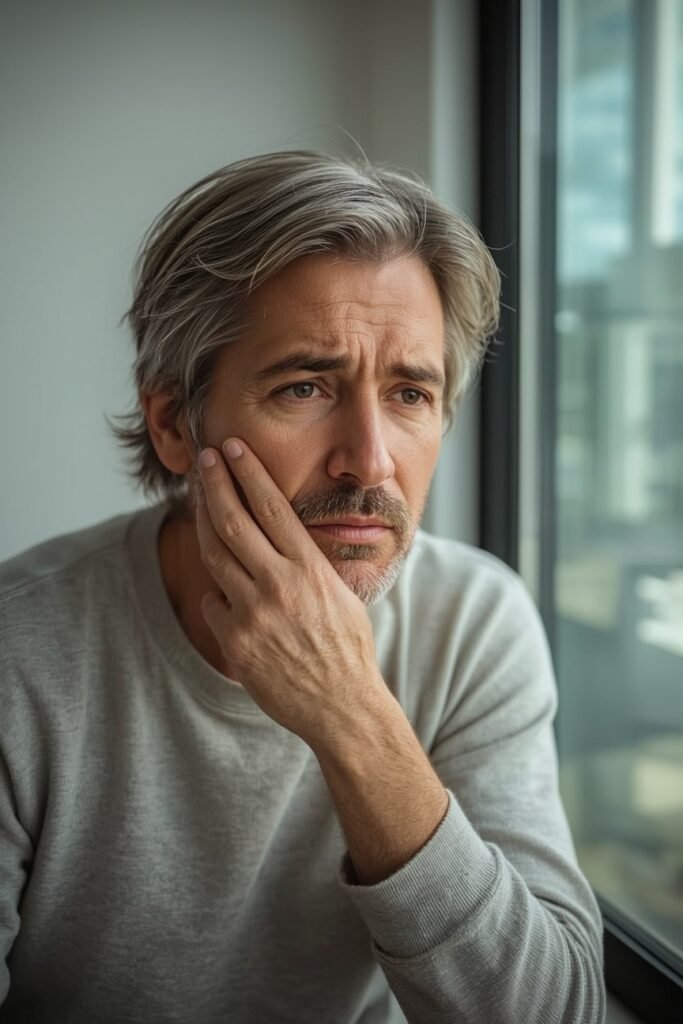
You wake up one morning and notice:
- one side of the mouth feels weak
- the eye won’t fully close
- smiling looks uneven
- drinking water becomes awkward
- the face feels tight, numb, or heavy
- anxiety rises immediately
Some patients first think it’s stress.
Some fear it could be a stroke.
Others become emotionally overwhelmed because the face changes so suddenly.
In Traditional Chinese Medicine (TCM), facial paralysis is not viewed as only a muscle issue.
It is often seen as a disruption of circulation and nervous system balance affecting the facial meridians.
Common Symptoms That Often Come With Facial Paralysis
Facial paralysis symptoms are rarely isolated.
Many patients also experience:
- facial numbness or stiffness
- difficulty blinking
- jaw tightness
- ear discomfort or ringing
- headaches
- neck and shoulder tension
- fatigue
- poor sleep
- digestive weakness after stress or illness
- emotional frustration or embarrassment
In some cases, symptoms appear after:
- viral infections
- severe stress
- sleep deprivation
- exposure to cold wind
- immune exhaustion
- long-term nervous system overload
Why We See This More Often in Burnaby Professionals
In Burnaby, many patients live under constant nervous system pressure.
Long commutes, excessive screen time, irregular sleep, emotional stress, and physical fatigue can gradually weaken the body’s recovery capacity.
Modern lifestyles often involve:
- high stress work environments
- poor sleep quality
- overuse of facial and jaw muscles
- chronic neck tension
- weakened circulation
- immune stress after illness
From a TCM perspective, when the body becomes depleted and defensive energy weakens, external factors such as “wind” may more easily disrupt the facial channels.
This idea was described centuries ago in classical Chinese medicine texts.
In the Huangdi Neijing (Yellow Emperor’s Inner Canon), it states:
“When righteous qi is weakened, pathogenic factors may invade.”
Another classical text, Shang Han Lun, discussed how external cold and imbalance may affect the body’s channels and muscular control.
While ancient terminology differs from modern neurology, the clinical observation remains surprisingly relevant:
the body often becomes more vulnerable when exhausted.
Treatment & Recovery Story
One patient came to the clinic after developing sudden facial weakness following a period of extreme stress and lack of sleep.
Symptoms included:
- difficulty smiling evenly
- eye dryness from incomplete blinking
- jaw tightness
- neck tension
- anxiety and poor sleep
- digestive discomfort and low appetite
The patient had already completed medical assessment to rule out emergency conditions.
During treatment, the focus was not only on the face itself, but also on:
- circulation
- muscular tension
- nervous system regulation
- sleep recovery
- stress reduction
- overall energy restoration
After several treatments, the patient reported:
- improved facial movement
- better eye comfort
- reduced tightness
- improved sleep
- calmer mood
- better digestion and appetite
Recovery timelines vary from person to person.
Some improve quickly.
Others require longer support depending on severity, stress levels, and how early treatment begins.
Why Sleep and Stress Matter So Much
One of the biggest mistakes people make is focusing only on the facial muscles.
The nervous system matters too.
When the body stays in prolonged stress mode:
- muscles tighten
- circulation becomes restricted
- sleep quality drops
- recovery slows
- inflammation may worsen
This is why many facial paralysis patients notice symptoms becoming more obvious when they are exhausted or emotionally overwhelmed.
Supporting recovery often involves more than symptom management.
It may include:
- improving sleep quality
- reducing nervous system overload
- improving circulation
- reducing muscular tension
- supporting emotional recovery
- allowing the body to heal more efficiently
A More Whole-Body Approach
At Harmony Hill Wellness in Burnaby, acupuncture treatments are often approached from both a local and whole-body perspective.
The goal is not simply to “stimulate the face,” but to support the body’s overall recovery environment.
Many patients seek care for:
- Bell’s palsy
- facial tension
- jaw tightness
- post-stress exhaustion
- nervous system overload
- neck and shoulder tension
- sleep-related recovery issues
Every case is different, and treatment recommendations should always be individualized.