
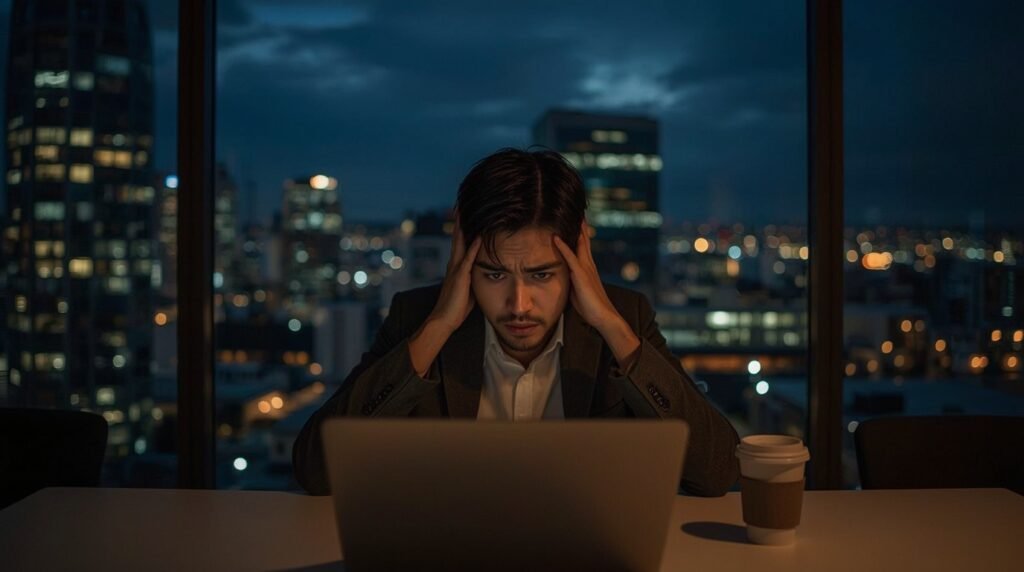
Most people imagine burnout as someone completely falling apart.
But real burnout often looks much quieter.
Still going to work.
Still replying to messages.
Still functioning.
Just…
- exhausted all the time
- emotionally flat
- easily irritated
- unable to fully relax
- constantly tired after work
Many people experiencing burnout do not even realize it at first.
They simply think:
“I’m just busy lately.”
This has become increasingly common among office workers in Burnaby.
Especially among people balancing:
- demanding jobs
- long commutes
- screen-heavy work
- parenting
- constant mental stimulation
- poor sleep
Sometimes the body keeps functioning long after the nervous system becomes overwhelmed.
Common Signs of Burnout That People Often Ignore
Burnout symptoms do not always feel emotional.
Sometimes they show up physically.
Many people notice:
- waking up tired
- brain fog
- neck and shoulder tension
- shallow breathing
- digestive discomfort
- bloating
- low motivation
- headaches
- poor sleep
- feeling emotionally numb
- increased caffeine dependence
- fatigue that never fully goes away
This is why many people think they are simply “lazy” or “unmotivated.”
In reality, the body may be under chronic stress overload.
Why Burnout Often Builds Slowly
Modern life in Burnaby rarely gives the nervous system time to fully recover.
Many professionals spend years:
- multitasking constantly
- staying mentally stimulated
- sleeping poorly
- sitting for long hours
- carrying low-level stress daily
Over time, the body adapts to survival mode.
The nervous system stays activated longer than it should.
This may gradually affect:
- sleep quality
- digestion
- posture
- breathing patterns
- recovery capacity
- emotional resilience
Burnout often happens slowly enough that people normalize it.
Burnout and the Body Are Deeply Connected
Many people think burnout is only emotional.
But chronic stress often affects the entire body.
This is why burnout symptoms frequently appear together with:
- tight muscles
- fatigue
- bloating
- headaches
- jaw tension
- shallow breathing
- low energy
- poor recovery after rest
The body is not simply “tired.”
It may be struggling to recover from prolonged stress exposure.
From a Traditional Chinese Medicine Perspective
Traditional Chinese Medicine has long recognized the effects of prolonged emotional strain and overwork.
《黄帝内经》提到:
“劳则气耗”
Excessive mental and physical strain may gradually drain the body’s recovery capacity.
In many office workers, chronic stress and burnout may affect:
- qi circulation
- sleep quality
- digestion
- muscle tension
- emotional balance
This is why stress overload often appears together with:
- fatigue
- digestive issues
- insomnia
- irritability
- tension throughout the body
The body and mind are not separate systems.
They influence each other constantly.
Why Rest Alone Sometimes Doesn’t Fix Burnout
Many people try:
- sleeping more
- taking vacations
- drinking more coffee
- pushing through harder
But burnout recovery often requires more than temporary rest.
If stress patterns, poor sleep, posture strain, and nervous system overload continue daily, exhaustion usually returns quickly.
Recovery may involve:
- reducing stress load
- improving sleep quality
- restoring movement
- nervous system regulation
- healthier recovery habits
- consistent self-care routines
A More Sustainable Recovery Approach
For many people, burnout recovery starts with smaller changes than expected:
- slowing down mentally
- improving sleep consistency
- reducing overstimulation
- taking breaks from screens
- walking regularly
- breathing more deeply
- restoring movement and circulation
Some people also explore acupuncture and wellness therapies as part of supporting relaxation and recovery.
The goal is not simply “getting through the week.”
The goal is helping the body recover its natural resilience again.
Final Thoughts
If you constantly feel:
- emotionally drained
- exhausted after work
- unable to fully relax
- mentally foggy
- tired even after sleeping
your body may be asking for recovery — not more pressure.
Burnout does not always look dramatic.
Sometimes it simply looks like functioning while exhausted.