
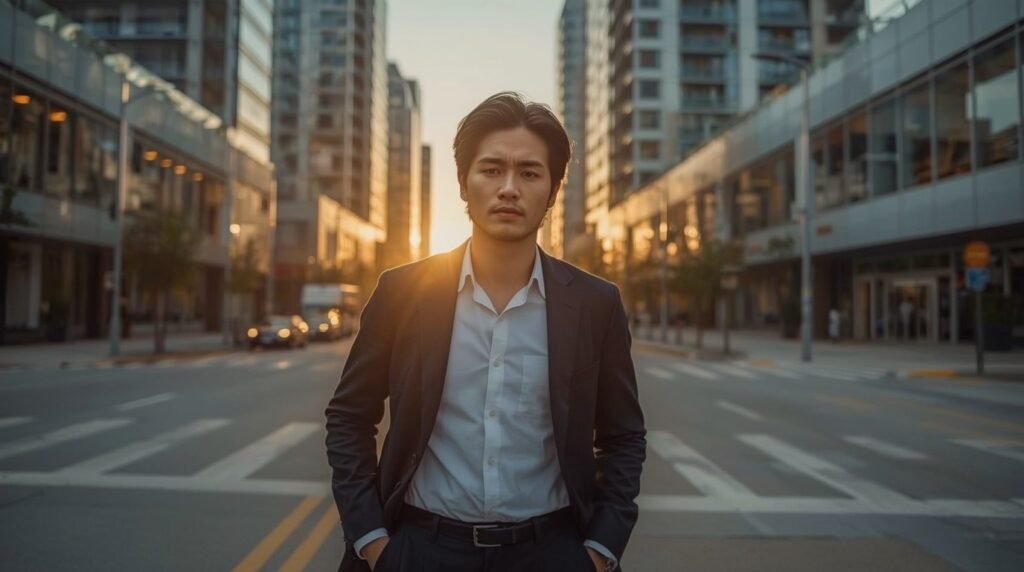
Stress no longer looks the way it used to.
Many professionals are still functioning normally on the outside.
Still working.
Still replying to emails.
Still attending meetings.
But internally, the body often tells a different story.
People are increasingly experiencing:
- fatigue that never fully goes away
- tight shoulders and neck
- poor sleep
- bloating
- shallow breathing
- headaches
- emotional exhaustion
- difficulty relaxing even on weekends
This has become increasingly common among professionals in Burnaby.
Especially for people balancing:
- demanding careers
- long commutes
- family responsibilities
- constant screen exposure
- mental overload
- fast-paced schedules
Many people are not necessarily “burning out” dramatically.
They are simply staying stressed for too long.
Common Symptoms of Chronic Stress
Modern stress often appears physically before people recognize it emotionally.
Many office workers and professionals notice:
- neck and shoulder tension
- jaw tightness
- poor posture
- fatigue after work
- bloating
- shallow breathing
- poor recovery after sleep
- headaches
- low motivation
- irritability
- low energy
- brain fog
These symptoms often develop gradually over time.
This is why many people normalize them.
Why Modern Professionals Feel Constantly Overloaded
Modern work culture in Burnaby often encourages constant stimulation.
Many professionals spend most of the day:
- sitting indoors
- multitasking
- switching between screens
- responding to notifications
- managing deadlines
- carrying mental pressure home
The nervous system rarely gets a true recovery period.
Over time, the body may remain in a prolonged stress response.
This may gradually affect:
- sleep quality
- digestion
- posture
- breathing patterns
- muscle tension
- emotional resilience
Sometimes people think they only need more motivation.
But often, the body needs recovery first.
Why More People Are Seeking Stress Relief Treatments
Many professionals are beginning to recognize that chronic stress affects more than mood alone.
It may also influence:
- energy levels
- mobility
- sleep
- digestion
- recovery capacity
- overall well-being
As a result, more people are exploring stress relief treatments and wellness routines that help the body slow down and recover.
This may include:
- massage therapy
- acupuncture
- movement and mobility work
- mindfulness practices
- better sleep habits
- nervous system recovery routines
People are increasingly looking for approaches that support both physical and mental recovery together.
How Acupuncture May Support Stress Recovery
Many people seek acupuncture when stress begins affecting:
- sleep
- tension
- headaches
- digestion
- energy levels
- overall well-being
Acupuncture is commonly used in Traditional Chinese Medicine to help support circulation, relaxation, and nervous system balance.
Many patients report feeling:
- calmer
- physically lighter
- more relaxed
- less tense after treatment
For office workers, acupuncture is often used as part of a broader recovery-focused wellness routine.
Why Cupping Has Become Popular Among Professionals
Cupping therapy has become increasingly popular among office workers and active adults dealing with:
- neck tightness
- upper back tension
- muscle stiffness
- poor circulation
- stress-related tension
Many people enjoy cupping because it creates a strong sense of physical release.
After long periods of sitting and posture strain, some patients describe feeling:
- looser
- lighter
- less restricted in movement
This is one reason cupping is frequently combined with acupuncture treatments in wellness settings.
How Tui Na Helps With Tension and Mobility
Tui Na is a traditional hands-on therapy commonly used in Chinese medicine.
Unlike relaxation massage alone, Tui Na often focuses on:
- muscle tension
- mobility
- circulation
- posture-related tightness
Many professionals seek Tui Na for:
- stiff neck and shoulders
- tight hips
- lower back discomfort
- stress-related body tension
For people sitting all day, Tui Na may help the body feel more mobile and less compressed.
From a Traditional Chinese Medicine Perspective
Traditional Chinese Medicine has long emphasized the connection between emotional strain and physical tension.
《黄帝内经》提到:
“百病生于气”
Prolonged emotional stress may gradually affect circulation, tension, and recovery throughout the body.
In many professionals, chronic stress may contribute to:
- muscle tightness
- poor sleep
- digestive discomfort
- fatigue
- emotional exhaustion
This is why stress relief is not only about relaxation.
It is also about helping the body return to balance.
Why Quick Fixes Often Don’t Last
Many people try:
- more caffeine
- energy drinks
- intense workouts
- scrolling to “relax”
- pushing through exhaustion
But when the nervous system stays overloaded daily, the body often struggles to recover fully.
Stress relief usually requires more than temporary distraction.
Recovery may involve:
- reducing overstimulation
- improving sleep quality
- restoring movement
- supporting relaxation
- creating healthier recovery habits
A More Sustainable Recovery Approach
For many professionals, recovery begins with smaller lifestyle changes than expected:
- taking breaks from screens
- improving posture
- walking regularly
- sleeping more consistently
- slowing down mentally
- breathing more deeply
- restoring healthier routines
Some people also explore acupuncture and wellness therapies as part of supporting stress recovery and nervous system regulation.
The goal is not simply avoiding stress.
The goal is improving the body’s ability to recover from it.
Final Thoughts
If you constantly feel:
- mentally overloaded
- physically tense
- exhausted after work
- unable to fully relax
- tired even after sleeping
your body may be asking for recovery — not more pressure.
This is one reason why more professionals in Burnaby are beginning to prioritize stress relief treatments and wellness care.