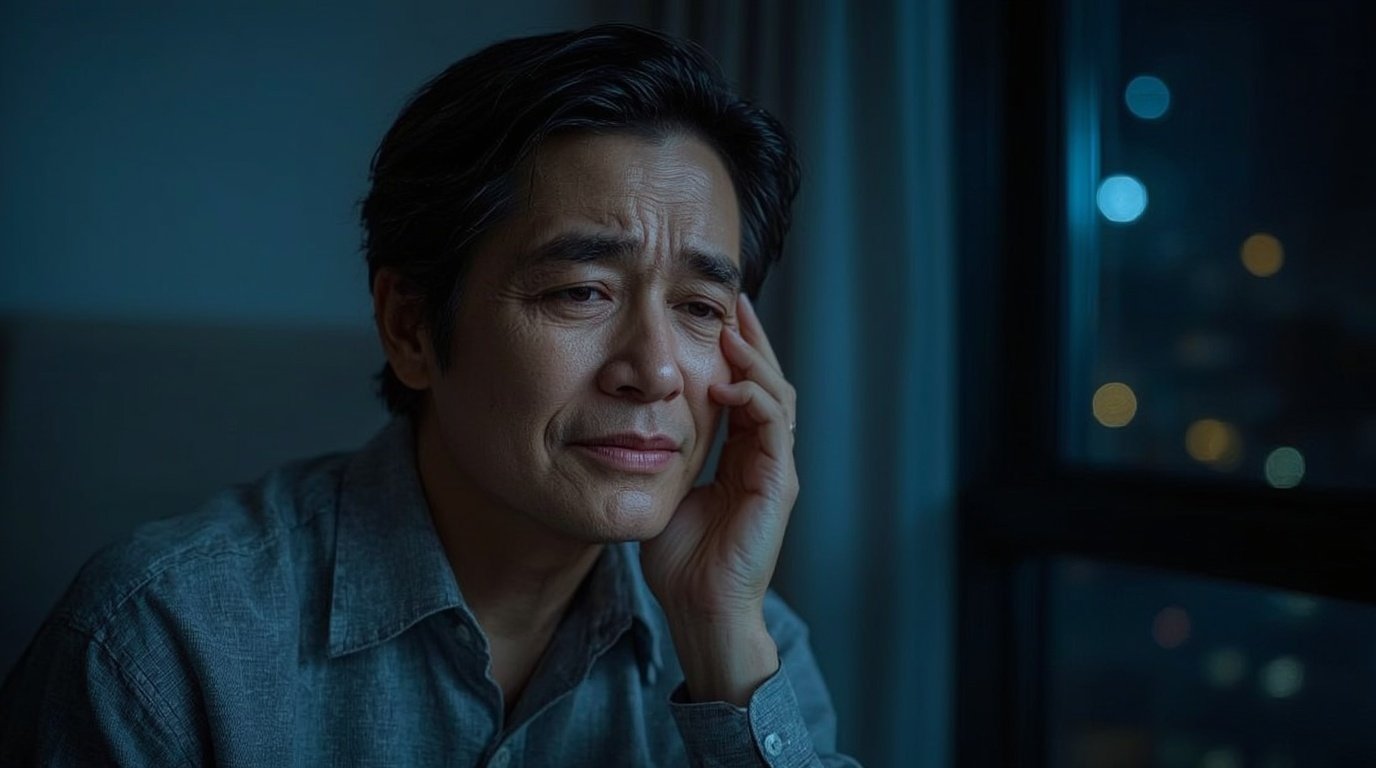
Many people notice something before Bell’s palsy appears.
They were already exhausted.
Poor sleep. High stress. Long work hours. Constant fatigue.
Then suddenly:
one side of the face feels weak
blinking becomes difficult
the mouth feels uneven
facial muscles feel heavy or tight
For many patients, Bell’s palsy does not happen during a calm period of life.
It often appears when the body is already overwhelmed.
This is becoming increasingly common among stressed professionals and office workers in Burnaby.
Common Symptoms Patients Often Experience
Many people with Bell’s palsy also notice:
poor sleep
stress overload
neck and shoulder tension
facial tightness
eye dryness
difficulty blinking
jaw tension
headaches
fatigue
anxiety
emotional exhaustion
These symptoms are not always separate.
The nervous system, muscle tension, recovery capacity, and stress response are closely connected.
Why Stress and Poor Sleep Matter
The body repairs and regulates itself during rest.
When stress remains high for long periods and sleep quality drops, recovery may become more difficult.
Many people experiencing chronic stress also notice:
muscle tension increases
fatigue worsens
sleep becomes lighter
the nervous system feels constantly activated
This may affect how the body responds during recovery.
In modern office life around Burnaby, many professionals remain mentally stimulated almost all day:
screens
emails
deadlines
commuting
poor posture
irregular sleep schedules
The nervous system rarely gets a true recovery period.
Bell’s Palsy Recovery Is Often More Than a Facial Issue
Many people focus only on the face.
But Bell’s palsy recovery may also involve:
stress management
sleep quality
nervous system recovery
circulation
muscle tension
emotional well-being
This is why some patients notice facial symptoms become worse during periods of:
emotional stress
exhaustion
poor sleep
overwork
The body does not recover in isolation.
Everything is connected.
How Acupuncture May Support Recovery
Many patients explore acupuncture during Bell’s palsy recovery as part of a broader wellness and rehabilitation approach.
In Traditional Chinese Medicine, acupuncture is commonly used to help support:
circulation
muscle relaxation
nervous system balance
recovery support
stress reduction
Some patients also combine acupuncture with:
facial exercises
stress reduction
sleep improvement
cupping or Tui Na
healthier recovery habits
The goal is not only addressing facial symptoms.
The goal is supporting the body’s overall recovery environment.
From a Traditional Chinese Medicine Perspective
Traditional Chinese Medicine has long connected emotional strain, poor rest, and circulation.
《黄帝内经》提到:
“阳气者,烦劳则张”
Excessive strain and exhaustion may gradually affect the body’s balance and recovery capacity.
In many patients, prolonged stress and poor sleep may contribute to:
tension
fatigue
weakened recovery
poor circulation
nervous system overload
This is why recovery often involves more than local facial treatment alone.
Why Rest and Nervous System Recovery Matter
Many people try to continue functioning normally during Bell’s palsy recovery.
But the body may need:
deeper rest
better sleep
reduced stress load
improved recovery habits
nervous system regulation
Recovery is not always about pushing harder.
Sometimes the body heals better when stress levels begin decreasing.
Final Thoughts
If Bell’s palsy symptoms appeared during a period of:
stress overload
poor sleep
exhaustion
emotional strain
chronic tension
your body may have already been under pressure long before facial symptoms began.
This is one reason many people in Burnaby explore acupuncture and wellness therapies as part of supporting Bell’s palsy recovery and nervous system balance.