
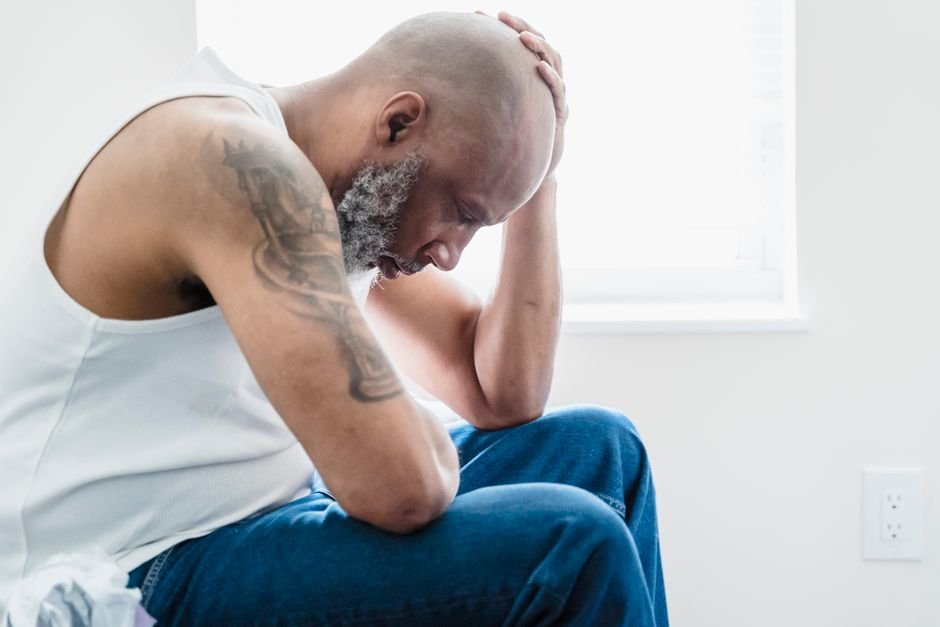
It often begins in a way that feels too ordinary to notice. A man in his late 40s or 50s wakes up one morning and realizes the usual push is not there. Coffee helps for an hour, then the heaviness returns. The stairs at Metrotown feel longer. The commute across Greater Vancouver feels louder. By late afternoon, simple decisions feel irritating, and exercise becomes something he keeps meaning to restart.
At Harmony Hill Wellness in Burnaby, we hear a version of this story often. The details vary, but the question underneath is similar: Why did my energy drop so suddenly?
This article is not meant to diagnose the cause of fatigue. Sudden or intense changes in energy can have many reasons, and some need medical assessment. But from a wellness perspective, there are common patterns worth noticing. Sometimes the body has been sending quiet signals for months before it speaks more clearly.
A sudden energy drop is rarely just about energy. It is often a message about recovery, stress load, sleep quality, blood sugar rhythm, pain, mood, digestion, or the simple fact that the body can no longer borrow from tomorrow without interest.
A realistic situation: the man who says, ‘I used to be fine’
Consider a common scenario. A 52-year-old man works long hours, mostly seated, with meetings that start early and emails that end late. He has not been sleeping badly every night, but sleep feels lighter than it used to. He wakes around 3 or 4 a.m. some mornings with his mind already moving. Breakfast is often rushed. Lunch depends on the day. He used to play hockey or go to the gym, but now he mostly walks from the parkade to the office.
For years, he could keep going. He was not necessarily thriving, but he was functioning. Then, over a few weeks, his energy noticeably falls. He feels flat in the morning, foggy after lunch, and unusually drained after work. He may say, ‘Nothing huge changed, so I do not understand why I feel like this.’
When he looks closer, there may have been small changes. A parent needed more support. A work project became more demanding. Screen time stretched later into the evening. Alcohol became a more frequent way to settle down. Neck and back tension made exercise less appealing. Sleep was technically long enough, but not deeply restorative.
This is where many midlife men feel frustrated. They compare their current energy to their younger baseline and assume they should simply push harder. But the body at midlife often asks for a different kind of attention. Not fragile attention. Honest attention.
Energy is not just willpower. It is influenced by how well the nervous system can settle, how consistently the body receives fuel, how much inflammation or tension it is managing, how much light and movement it gets, and how safe it feels to rest.
There is also a social layer. Many men have learned to notice performance before they notice depletion. They can identify when work output drops, but not always when recovery started slipping. They can name a deadline, but not the feeling of being constantly braced through the shoulders and jaw. The body keeps the score quietly until it cannot stay quiet.
What may be happening beneath the sudden drop
From a clinical wellness perspective, a sudden energy drop in men over 40 often has more than one contributor. It may be useful to think in layers rather than searching for one simple answer.
First, sleep quality may change before sleep duration does. A person can spend seven hours in bed and still wake unrefreshed. Light sleep, frequent waking, late meals, alcohol, stress hormones, sleep apnea risk, or evening screen use can all affect how restored the body feels. If snoring, gasping, morning headaches, or daytime drowsiness are present, it is worth speaking with a medical professional.
Second, stress can become physically expensive. Long-term stress does not always feel dramatic. Sometimes it feels like constant urgency, a tight chest, shallow breathing, digestive changes, or the inability to relax even when the day is over. The nervous system may stay in a higher-alert state, using energy that should be available for repair and clear thinking.
Third, midlife routines often reduce movement without people noticing. Less walking, fewer strength-based activities, longer sitting, and more commuting can gradually lower stamina. Muscles and joints may feel stiffer, circulation may feel sluggish, and everyday tasks can feel heavier. The body tends to give energy back to the activities it is regularly asked to do.
Fourth, food timing and hydration can matter more than expected. Skipping breakfast, relying on caffeine, eating a large late lunch, or drinking little water can create noticeable afternoon dips. This is not about being perfect. It is about reducing the roller coaster. Many men are surprised that steadier meals can make their energy feel less unpredictable.
Fifth, health changes should not be ignored. Fatigue can be connected with many medical concerns, including thyroid changes, anemia, diabetes, infection, medication effects, mood concerns, hormone changes, heart issues, or sleep disorders. If the energy drop is sudden, severe, persistent, or paired with chest pain, shortness of breath, dizziness, unexplained weight loss, fever, black stools, new weakness, or major mood changes, medical care should come first.
Wellness care works best when it respects the boundary between support and diagnosis. At Harmony Hill Wellness, we may help clients look at stress patterns, sleep hygiene, body tension, acupuncture support, massage therapy, movement habits, and recovery routines. We also encourage appropriate medical assessment when symptoms suggest it is needed. Good care is not about guessing. It is about paying attention with humility.
In Traditional Chinese Medicine language, fatigue may be discussed in terms of qi, blood, yin, yang, and organ system patterns. In modern terms, these ideas often point to how the body makes, moves, stores, and spends energy. TCM does not replace medical testing, but it can offer a useful map for understanding why two people with fatigue may need different support. One person may feel wired and tired. Another may feel cold, heavy, and unmotivated. Another may feel drained after emotional stress. The pattern matters.
Practical lessons for rebuilding steadier energy
The goal is not to become a different person by Monday. The goal is to create conditions where energy has a reason to return. Small steps can be surprisingly informative because they show how responsive the body still is.
Start with a two-week energy audit. Write down wake time, bedtime, caffeine, meals, alcohol, movement, stress level, and the time of day energy dips. Do this without judgment. Patterns become easier to see when they are on paper. A man may realize his worst days follow late screen time, skipped lunch, or no outdoor light.
Protect the first hour of the day. Morning light, water, a protein-containing breakfast, and a short walk can help set a steadier rhythm. For someone in Burnaby, this might be a 10-minute walk near Central Park, around the neighbourhood, or even a few quiet blocks before driving to work. The point is consistency, not intensity.
Reduce the caffeine rescue cycle. Coffee is not the enemy, but using it to cover poor sleep and missed meals can make the day feel jagged. Try keeping caffeine earlier in the day and pairing it with food instead of using it as breakfast. If cutting back causes headaches or irritability, reduce gradually.
Bring back strength in a modest way. Energy often improves when the body feels capable again. This does not require an aggressive routine. Two or three short sessions per week using bodyweight, bands, or light weights can support muscle, posture, and confidence. If pain is a barrier, professional guidance may help you return safely.
Make evenings less stimulating. Many men do not need a complicated sleep routine. They need a clearer shutdown. Dim lights, reduce work email, keep the phone away from the bed, avoid heavy late meals when possible, and give the nervous system a signal that the day is ending. Rest is easier when the body is not still negotiating with the office.
Notice tension as an energy drain. Chronic neck, shoulder, jaw, or low back tension can quietly wear a person down. Massage therapy, acupuncture, stretching, breathing work, or movement coaching may help some people feel less guarded. When the body stops clenching, it often has more capacity for ordinary life.
Book support when the pattern is not shifting. If fatigue continues despite reasonable changes, it is wise to speak with a physician or nurse practitioner and consider bloodwork or further assessment. Alongside medical care, wellness support can help address stress recovery, muscle tension, sleep routines, and sustainable self-care.
The lesson from this common case is simple: a sudden energy drop may feel like a personal failure, but it is often a signal. Signals are not insults. They are information.
For midlife men, the most helpful response is usually practical and steady. Check what needs medical attention. Look honestly at recovery. Rebuild movement gradually. Eat and sleep in ways that reduce the daily crash. Ask for support before depletion becomes the new normal.
In a busy place like Burnaby and the wider Greater Vancouver area, many people live at a pace that makes fatigue seem ordinary. But common does not mean unimportant. Energy is not just the ability to get through work. It is the capacity to be present for the people, choices, and quiet moments that make a life feel like your own.
If your energy has changed and you are unsure where to begin, Harmony Hill Wellness can help you explore supportive options in a grounded, non-pressured way. Sometimes the first step is simply having someone listen carefully to the whole picture.