
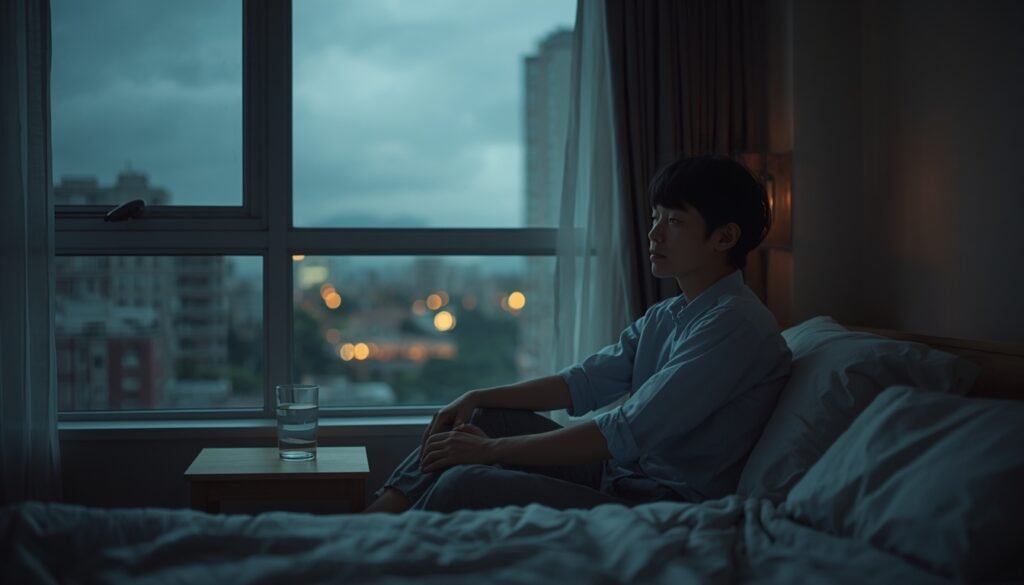
There is a particular kind of tiredness that shows up in Greater Vancouver during a stretch of hot weather. It is not dramatic. It is not always the kind that makes you cancel everything. It is quieter than that.
You wake up before the alarm, sheets kicked aside, the room still warm from yesterday. You shower, commute toward Metrotown or downtown, answer emails under bright office lights, and try to seem normal in meetings. By mid-afternoon, your focus starts to fray. Coffee helps for a while, then it lingers into the evening. When bedtime comes, you feel exhausted but strangely alert.
For many office workers, trouble sleeping in hot weather is not just about a warm bedroom. It is often the result of heat, stress, screen exposure, hydration changes, and a nervous system that has had very little space to settle.
At Harmony Hill Wellness in Burnaby, we often hear versions of the same story in summer: I am tired all day, but I cannot sleep well at night. This article uses a realistic case insight to explore why that can happen, what may help, and when it may be worth getting professional support.
A familiar case: tired at the desk, restless at night
Let us call her Maya. She is in her late thirties, works full time at a desk, and lives in Burnaby near a busy transit route. Her work is not physically heavy, but it asks for constant attention: spreadsheets, video calls, shifting deadlines, and messages that arrive even after hours.
During a week of hot weather, Maya begins sleeping poorly. At first, she blames the temperature. Her apartment holds heat into the evening, and opening the window brings in traffic noise. She falls asleep later than usual, wakes around 3 a.m., then spends the next hour adjusting the fan, checking the time, and worrying about how tired she will feel the next day.
By Thursday, her mornings feel heavy. Her neck and shoulders are tight from working at her laptop. She craves iced coffee after lunch, even though she knows it may affect her sleep. Dinner becomes later because she is too drained to cook right away. After eating, she scrolls on her phone to decompress, but the scrolling stretches longer than planned.
Nothing in Maya’s story sounds unusual. That is exactly why it matters.
Sleep is often the first place a busy life shows its strain. When heat is added, the body may have to work harder to cool down, digestion may feel slower, and the mind may have fewer quiet cues that the day is ending.
Maya does not need to panic. A few difficult nights do not mean something is wrong with her. But the pattern is worth noticing because the body often whispers before it shouts.
Why hot weather can make sleep feel harder
In simple terms, the body tends to sleep best when it can gradually cool down in the evening. A warm bedroom, heavy bedding, late exercise, alcohol, spicy food, or a big meal close to bedtime can all make that cooling process feel more difficult. For some people, the issue is not only temperature but timing.
Office work adds another layer. Many desk workers spend the day under artificial light, with limited movement and long periods of concentration. The body may be still, but the brain is busy. By evening, there can be a strange mismatch: the body feels tired from sitting and tension, while the nervous system still feels switched on.
Hot weather can also change small habits in ways that matter:
- More caffeine: Iced coffee or tea may feel refreshing, but caffeine later in the day can make it harder for some people to fall or stay asleep.
- Less steady hydration: People may drink more cold drinks but still feel depleted if fluids are inconsistent through the day.
- Later meals: Heat can reduce appetite during the day, leading to heavier eating at night.
- More screen time indoors: When it is too hot to walk outside, many people rest by scrolling, streaming, or catching up on work.
- More body tension: Poor sleep can make neck, jaw, back, and shoulder tension feel stronger the next day.
For Maya, the hot room was only one piece. Her sleep was being affected by a whole summer rhythm: long workdays, tension, caffeine, late meals, evening screens, and a bedroom that never truly cooled.
This does not mean every restless night has a complicated cause. Sometimes the room is simply too warm. But if poor sleep keeps repeating, it can help to look at the full daily pattern rather than only the final hour before bed.
A useful question is: What is my body still carrying when I get into bed? The answer may be heat, but it may also be unfinished work stress, shoulder tension, mental noise, or the feeling of rushing through the entire day.
What helped, and when support makes sense
Maya did not change everything at once. That would have felt like another project. Instead, she chose a few simple adjustments for one week and paid attention to how her body responded.
First, she made her apartment cooler earlier, not just at bedtime. When possible, she closed blinds during the hottest part of the day and opened windows once the outdoor air cooled. She switched to lighter bedding and kept a small glass of water nearby, not ice cold, just easy to sip.
Second, she moved caffeine earlier. She still enjoyed coffee, but she treated the afternoon iced drink as optional rather than automatic. On hotter days, she tried water with a pinch of electrolytes or a light herbal tea instead.
Third, she gave her workday a physical ending. After closing her laptop, she did five minutes of gentle shoulder rolls, slow breathing, and an easy walk around the block when the air felt comfortable. The walk was not exercise for achievement. It was a signal: work is done now.
Fourth, she softened the last hour of the evening. Her phone charged outside the bed area. She kept lighting lower. If she was hungry, she chose something simple rather than a heavy late meal. She stopped trying to force sleep and focused on making rest more likely.
These changes did not make every night perfect. Hot weather can still disturb sleep. But after several nights, Maya felt less trapped by the pattern. She woke less often, and when she did wake, she felt more able to settle again.
For office workers, a practical summer sleep reset may include:
- Cooling the bedroom before bedtime rather than waiting until you are already overheated.
- Keeping caffeine earlier in the day, especially during heat waves.
- Taking short movement breaks to reduce desk-related tension.
- Creating a clear end-of-work ritual, even if you work from home.
- Reducing bright screens and work messages in the final part of the evening.
- Choosing lighter evening meals when the weather is very warm.
- Noticing whether stress, pain, digestion, or worry is part of the sleep picture.
Professional support can be helpful when sleep trouble keeps repeating, when fatigue affects daily life, or when body tension and stress feel difficult to manage alone. At Harmony Hill Wellness, care is not about promising perfect sleep. It is about looking at the person in front of us: their schedule, stress load, body tension, habits, and seasonal challenges.
Depending on your needs, wellness support may focus on calming the nervous system, easing muscular tension, supporting recovery routines, or helping you build more consistent evening habits. If symptoms are severe, sudden, or concerning, it is always appropriate to speak with a physician or qualified healthcare provider.
For many Burnaby office workers, the goal is not to add more pressure to do sleep correctly. The goal is to reduce the number of things your body has to fight at night.
Rest often returns through small signals of safety: a cooler room, a slower evening, an unclenched jaw, a day that is allowed to end.
If hot weather has been affecting your sleep, take it seriously without fearing it. Notice the pattern. Adjust what is within reach. And if you feel stuck in the cycle of tired days and restless nights, consider reaching out for support. Sometimes the most helpful step is having someone look at the whole pattern with you, calmly and practically.