
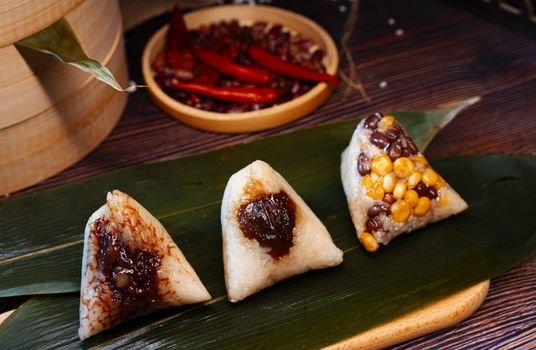
There is a particular kind of fullness that arrives after sticky rice zongzi. It is not always unpleasant at first. The meal may be tied to family, memory, Dragon Boat Festival traditions, or a thoughtful package from a relative in Greater Vancouver. The bamboo leaves are unwrapped, the rice is glossy, the filling is savoury or sweet, and the first few bites feel deeply comforting.
Then, an hour later, the stomach may feel tight. The waistband feels less forgiving. There may be burping, pressure under the ribs, sluggishness, or the sense that food is sitting there without moving. For some people, zongzi is a treat. For others, it is a reminder that even meaningful foods can ask a lot from digestion.
At Harmony Hill Wellness in Burnaby, conversations about bloating often begin with ordinary details like this. Not dramatic symptoms. Not rare situations. Just real life: a festive food, a busy schedule, a body that feels a little overloaded, and a person wondering why something so familiar now feels harder to digest.
A simple meal can reveal a quiet pattern. The body often speaks first through heaviness.
The Burnaby Table: When Zongzi Feels Heavier Than Expected
Across Burnaby, Metrotown, Brentwood, Edmonds, and nearby Vancouver neighbourhoods, food traditions live alongside modern routines. Someone may eat zongzi before work, between errands, after a commute, or late at night after a long day. The food itself may be traditional, but the context around it is often very modern.
Sticky rice is dense. It is filling by nature. When wrapped tightly and cooked until compact, it becomes chewy, rich, and slow to break down. Add pork belly, salted egg yolk, beans, peanuts, mushrooms, chestnuts, or sweet fillings, and the digestive workload increases. None of this makes zongzi bad. It simply makes it substantial.
Many people notice that bloating is not only about what they eat, but how they arrive at the meal. A nervous system already under pressure may not settle easily into digestion. A meal eaten quickly may feel heavier than the same meal eaten slowly. A body that is short on sleep, sitting for long hours, or running on coffee may have less capacity for dense foods.
Common post-zongzi experiences may include:
- A tight, stretched feeling in the abdomen
- Burping or a sense of air being trapped
- Fullness lasting longer than expected
- Low appetite for the next meal
- Sleepiness or fogginess after eating
- Mild nausea when the meal was rich or eaten too quickly
These symptoms can happen occasionally without meaning something serious is going on. Still, repeated bloating can affect comfort, mood, sleep, clothing choices, and confidence around food. People may start avoiding family meals or feeling anxious before celebrations. That is often when support becomes worth considering.
It is also important to be sensible. New, severe, persistent, or worsening abdominal pain should be assessed by a medical professional. Bloating with unexplained weight loss, blood in stool, fever, repeated vomiting, difficulty swallowing, chest pain, or a major change in bowel habits deserves timely medical attention. Wellness care should never replace urgent evaluation when symptoms suggest something more serious.
A TCM-Informed View: Sticky Rice, Food Stagnation, and the Middle
In Traditional Chinese Medicine, digestion is often discussed through the function of the Spleen and Stomach system. These terms do not refer only to the organs as defined in Western anatomy. They describe a broader pattern of receiving food, breaking it down, moving it along, and converting it into usable energy.
One common TCM concept related to post-meal bloating is food stagnation. In plain language, this describes the feeling that food is not moving smoothly. The abdomen may feel distended, appetite may drop, and there may be belching or a heavy sensation. Dense foods such as sticky rice, rich meats, fried items, sweets, and large portions are more likely to contribute to this feeling, especially when the digestive system is already tired.
Another relevant idea is dampness. In modern terms, dampness can be understood as a tendency toward heaviness, sluggishness, puffiness, or a slow, boggy feeling in the body. People with this pattern may feel worse after very rich, sweet, cold, or heavy meals. They may describe themselves as feeling weighed down rather than simply full.
These are not labels to worry about. They are practical maps. A skilled practitioner uses them to ask better questions: Do you feel better with warmth? Are bowel movements regular? Is the bloating upper, lower, or all over? Does stress make it worse? Does walking help? Do you feel tired after meals? Is the tongue coated? Is the abdomen tense or soft?
From a modern perspective, bloating can be influenced by many factors: meal size, food composition, gut motility, constipation, swallowed air, stress response, hormonal shifts, food intolerances, and the sensitivity of the gut-brain connection. TCM and modern physiology use different languages, but they often meet in the same lived experience: digestion works best when the body has enough warmth, movement, calm, and rhythm.
Sticky rice zongzi is a good example because it is not just food on a nutrition chart. It is texture, timing, memory, portion size, sleep, stress, and season. A person who digested it well at age 25 may feel quite different at 45 after desk work, parenting, caregiving, and years of rushed lunches. The food did not necessarily change. The body’s capacity may have.
Digestion is not a machine with one switch. It is a conversation between food, timing, movement, and the nervous system.
Where Acupuncture May Fit After Bloating and Digestive Heaviness
Acupuncture is often sought for digestive discomfort because it offers a calm, whole-person approach. For bloating after sticky rice zongzi or other heavy meals, the goal is not to force the body into a quick fix. The goal is to support regulation: helping the body settle, encouraging smoother movement, and addressing patterns that may be contributing to repeated discomfort.
During an acupuncture visit at Harmony Hill Wellness, a practitioner may ask about the details surrounding bloating rather than only the symptom itself. How soon after eating does it begin? Is there pain or mainly pressure? Do warm drinks help? Are bowel movements daily? Do symptoms worsen with stress or before menstruation? Is the person eating late after commuting through Burnaby or sitting through long workdays near a screen?
Acupuncture point selection is individualized. In TCM thinking, points may be chosen to support the Stomach and Spleen system, ease abdominal tension, calm the nervous system, and promote more comfortable digestive movement. Some people also receive gentle abdominal work, heat therapy such as moxa when appropriate, or lifestyle suggestions based on their pattern. The plan should be adjusted to the person, not copied from a symptom list.
Research on acupuncture and digestive symptoms is still developing, and results vary from person to person. A careful way to say it is this: acupuncture may help some people feel more regulated, less tense, and more comfortable in their digestion. It is not a guaranteed cure for bloating, and it is not a substitute for medical assessment when symptoms are concerning. Its strength is often in helping the body shift out of strain and back toward steadier function.
For post-zongzi bloating, practical self-care can also make a meaningful difference:
- Eat slowly and sit down. Sticky rice asks for time. Chewing well is the first step in digestion.
- Choose a smaller portion. Half a zongzi with warm tea may feel better than a whole one eaten quickly.
- Add gentle movement. A slow walk around the neighbourhood after eating can support comfort.
- Keep the meal warm. Many people with sluggish digestion feel better with warm foods and drinks rather than iced beverages.
- Avoid stacking heavy foods. Sticky rice plus fried snacks, dessert, and late-night eating can be too much at once.
- Notice timing. Eating dense foods very late may affect both bloating and sleep quality.
Some people find ginger tea, aged tangerine peel tea, or simple warm water soothing after a heavy meal. These are traditional home approaches, but they may not suit everyone, especially during pregnancy, with certain medications, reflux, heat sensations, or medical conditions. When in doubt, ask a qualified practitioner or physician.
The deeper lesson is not that zongzi should be avoided. Food traditions matter. Pleasure matters. Family tables matter. The question is how to enjoy meaningful foods while respecting current capacity. Sometimes that means a smaller portion, a warmer drink, a slower meal, or a little support when digestion keeps sending the same message.
At Harmony Hill Wellness, we see digestive concerns as part of the whole picture: stress, sleep, posture, eating patterns, hormones, age, and daily pace. If bloating after sticky rice or other heavy meals has become frequent, acupuncture may be one supportive option to discuss. Care is most useful when it is thoughtful, specific, and grounded in your real life.
A comfortable body is not built by avoiding every rich food. It is supported by learning what your digestion can handle today.
If zongzi leaves you feeling heavy from time to time, begin gently. Eat with attention. Walk slowly. Keep warm. If symptoms keep returning or affect your daily comfort, consider booking a professional assessment. The aim is not to make digestion perfect. It is to help it feel less like a struggle and more like a steady part of living well in Burnaby.